Sleep Tracking Comparison: Apple and Garmin Smartwatches Show Inconsistencies
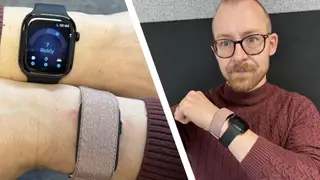
A week-long comparison of sleep monitoring between the Apple Watch Series 12 and Garmin Cirqa reveals discrepancies in how the two devices score sleep quality, despite tracking similar overall trends. While both smartwatches capture directional accuracy about sleep patterns, users experience meaningful differences in the specific metrics and scores each device generates. This inconsistency highlights the varying algorithms and measurement approaches different manufacturers employ in their health-tracking technology.
The comparison tested two prominent wearable devices over seven days, examining how their respective algorithms interpret sleep data. Both watches demonstrated the ability to track the general direction of sleep patterns—identifying nights of better or worse rest—yet produced notably different numerical outcomes when scoring overall sleep quality. This divergence stems from fundamental differences in how Apple and Garmin engineer their sleep monitoring systems, including variations in sensor interpretation and scoring methodology.
The findings underscore a broader challenge in consumer health technology: manufacturers apply distinct computational approaches to identical physiological data. Users relying on smartwatch metrics for health decisions may need to understand that numerical scores from different brands operate within their own frameworks rather than representing universally standardized measurements. This reality affects how consumers interpret and compare sleep quality data across devices.
This story could be significant for consumers navigating the crowded smartwatch market, particularly those prioritizing health monitoring features. The inconsistencies may influence purchasing decisions and expectations about wearable reliability. It could also prompt discussions about industry standardization in health metrics, potentially affecting how consumers trust device recommendations and whether they view smartwatch data as clinical-grade information or wellness indicators. Manufacturers might face pressure to improve transparency about algorithmic limitations.