Leading Shipping Company Completes Historic Ethanol Transfer Between Vessels
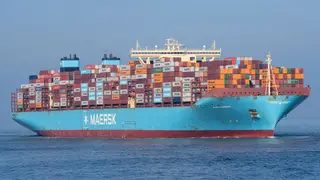
The world's largest container shipping operator has successfully completed the first ship-to-ship transfer of ethanol fuel in U.S. waters, utilizing a dual-fuel alcohol-capable vessel. This operation marks a significant milestone in maritime fuel innovation and sustainable shipping practices. The bunkering procedure demonstrates the viability of alternative fuel logistics for large commercial vessels operating in American waters.
The maritime industry is increasingly exploring alternatives to conventional marine fuels as environmental regulations tighten globally. This recent accomplishment represents progress in validating the infrastructure and procedures needed to distribute alcohol-based fuels among ocean-going cargo vessels. The successful operation occurred within U.S. territorial waters, suggesting regulatory approval and technical feasibility for domestic shipping routes.
Alternative fuel adoption in commercial shipping faces logistical challenges, particularly regarding fuel storage, transfer safety, and fleet compatibility. This milestone indicates that the necessary equipment and protocols can be deployed on working commercial vessels, potentially paving the way for broader implementation across the industry's fuel supply chain.
The shipping sector accounts for roughly 3 percent of global carbon emissions, making fuel innovation relevant to broader climate considerations. If alcohol-based fuels prove economically and operationally viable at scale, they could influence how major carriers manage their environmental footprint. Port authorities, fuel suppliers, and vessel manufacturers may face pressure to adapt infrastructure and systems accordingly. However, widespread adoption would likely require regulatory incentives and cost competitiveness with traditional fuels to gain industry-wide traction.