Paraguay Holds Municipal Elections as Test of Ruling Party Strength
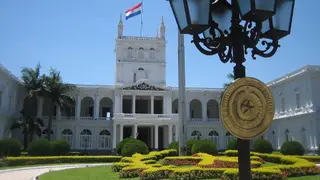
Paraguay will elect 263 mayors and municipal councils on Sunday, October 4, 2026, with preliminary results expected around 4:30 p.m. Eastern Time. The ruling Colorado Party seeks to maintain its dominance, having won 163 of 262 mayoralties in 2021, while key contests include the capital Asunción and the border city Ciudad del Este. The election serves as a barometer for President Santiago Peña's standing ahead of the 2028 presidential vote and signals the direction of the nation's pro-Taiwan, investment-friendly policies.
Paraguay's municipal contests represent a significant mid-term assessment of the Colorado Party's political standing in a nation where the party has dominated governance throughout most of the post-1947 era. The ruling coalition controlled roughly two-thirds of mayoralties following the previous election cycle, establishing a baseline against which Sunday's results will be measured. Key urban centers including the capital and Ciudad del Este will provide indicators of whether the Colorados maintain their traditional stronghold or face erosion in competitive districts.
President Peña's administration has pursued an distinctive foreign policy positioning Paraguay as Taiwan's sole South American diplomatic ally while simultaneously attracting foreign investment. The party's performance in Sunday's elections will offer early signals about voter confidence in these strategic directions ahead of the 2028 presidential election, when national offices return to the ballot.
A Colorado victory would likely reinforce the continuity of Paraguay's current diplomatic alignment with Taiwan and market-oriented economic policies, potentially affecting bilateral trade relationships and investment flows. Conversely, significant opposition gains in urban areas could indicate shifting voter preferences that might reshape political dynamics before the next presidential cycle. The results may also influence internal party dynamics and candidate positioning for 2028, with broader implications for Paraguay's regional relationships and economic trajectory.