Brazil's presidential contenders intensify campaign efforts in decisive final stretch before Sunday vote
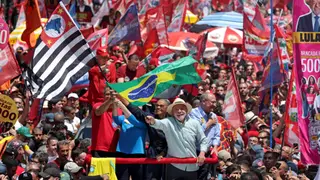
President Luiz Inácio Lula da Silva and challenger Flavio Bolsonaro concluded their campaigns Saturday in São Paulo, the state representing one-fifth of Brazil's electorate, with both candidates mobilizing supporters before Sunday's closely contested election. Opinion polls indicate neither candidate will win outright in the first round, with both statistically tied heading toward a potential October 25 runoff. Lula, seeking a fourth term at age 80, has emphasized threats to national sovereignty, while Bolsonaro, son of imprisoned former president Jair Bolsonaro, has campaigned on promises of change.
Brazil faces a closely contested presidential election where neither leading candidate is expected to secure victory in the first round of voting. The race features incumbent President Lula, an 80-year-old leftist seeking his fourth term, competing against Flavio Bolsonaro, a 45-year-old right-wing senator and son of former president Jair Bolsonaro, who is currently imprisoned for his role in a coup attempt. São Paulo, where both candidates concluded their campaigns, holds particular significance as the state accounts for approximately one-fifth of the nation's total voting power.
Campaign messaging has centered on contrasting visions: Lula emphasizes protection of national sovereignty and concerns about foreign interference, while Bolsonaro promotes fiscal austerity and hardline security approaches. Economic discontent appears to be driving voter sentiment, with supporters on both sides expressing concerns about cost of living and financial stability. Current polling indicates the two candidates remain in a statistical dead heat, making a second-round runoff scheduled for October 25 increasingly probable.
The outcome of Brazil's election could significantly influence regional political direction, as a Bolsonaro victory would continue Latin America's recent rightward shift. International observers note potential implications for Brazil's foreign relations, particularly regarding U.S.-Brazil relations given the Trump administration's stated close attention to the race. Domestic voters face choices regarding economic policy, democratic institutions, and the role of the state—each direction could affect employment, social programs, and governance structures affecting millions of Brazilians across all economic sectors.