Labor Market Report Triggers Bitcoin Rally and Liquidation Cascade
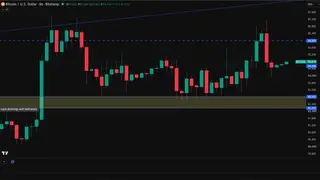
Weaker-than-expected U.S. September employment data initially pushed Bitcoin above $87,000 as traders reduced expectations for Federal Reserve rate hikes, but derivative liquidations of $433.57 million subsequently pulled the price back to the mid-$84,000 range. Fed rate hike probability for October plummeted from 70-75% to 17-18% following the soft payroll report, though long-term Treasury yields remained elevated and constrained upward momentum. Spot market accumulation continued through regulated investment vehicles as institutional investors and Wall Street analysts upgraded corporate Bitcoin treasury models.
Bitcoin's Friday trading session illustrated the tension between macro sentiment shifts and technical market structure. Employment weakness reduced expectations for aggressive Federal Reserve policy continuation, but this dovish signal failed to sustain upside momentum as bond yields remained stubbornly elevated. The $433 million liquidation cascade reflected excessive leverage among traders who positioned for a sustained breakout above $87,000, resulting in a washout of speculative positions rather than organic selling from longer-term holders.
Institutional capital continued accumulating through regulated spot market vehicles despite the intraday volatility, suggesting that major financial institutions viewed the pullback as a buying opportunity. The divergence between declining rate-hike odds and rising Treasury yields created conflicting directional signals—traditional rate-sensitive assets typically rally on employment weakness, but the bond market's resistance indicated lingering inflation concerns that constrained Bitcoin's upside.
This price action may influence retail and institutional allocators' conviction regarding Bitcoin's macroeconomic positioning. Investors monitoring Fed policy could reassess digital asset exposure based on shifting rate expectations, while traders using leverage may face renewed caution about position sizing. The institutional accumulation patterns could signal that larger asset managers view current valuations as attractive despite near-term volatility, potentially affecting mainstream adoption narratives and corporate treasury strategy conversations on Wall Street.