India and UK Advance Green Fuel and Wind Energy Development with New Projects and Tariff Approvals
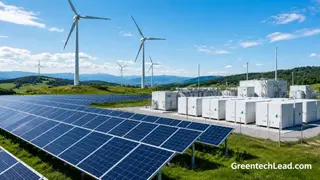
A ₹2,300 crore e-methanol production facility is planned at Kandla Port in India, requiring significant renewable electricity and green hydrogen infrastructure to support sustainable shipping fuels. India's Uttarakhand state approved tariffs for 76 MW of battery storage across four locations to enhance grid flexibility and renewable integration. In the UK, Vattenfall initiated development of the Adlingfleet onshore wind farm designed to deliver up to 56 MW of capacity across Yorkshire and Lincolnshire.
India's e-methanol initiative represents a significant infrastructure investment designed to decarbonize maritime transport. The dual-phase development at Kandla will require integrated systems combining renewable power generation, hydrogen production through electrolysis, and carbon capture technologies to produce sustainable shipping fuel. This coordinated approach demonstrates how port facilities can become hubs for low-carbon industrial activity.
Concurrent developments in battery storage and wind generation indicate broader momentum across both nations. India's approval of utility-scale storage capacity in Uttarakhand addresses a critical challenge in renewable integration—managing grid stability when variable wind and solar sources fluctuate. Meanwhile, the UK's Adlingfleet project reflects regulatory streamlining intended to accelerate onshore wind deployment in regions previously resistant to such development.
These projects may influence energy markets by creating demand for renewable electricity and hydrogen infrastructure while demonstrating commercial viability of sustainable fuels for shipping. Workforce impacts could include skilled job creation in manufacturing, installation, and technical operations. Grid operators may benefit from enhanced flexibility to manage renewable variability. However, success depends on continued policy support, investment capital availability, and supply chain development for emerging technologies like electrolysers and large-scale batteries. Local communities near wind and storage sites could experience mixed effects from land use changes and infrastructure development.