US Electric Vehicle Sales Decline in Q3 2026 While Toyota Surges as Major Automakers Struggle
U.S. electric vehicle sales declined significantly in the third quarter of 2026, with the Big Three automakers experiencing substantial drops in EV sales despite mixed overall performance. Toyota emerged as a bright spot, achieving over 57 percent of its sales from hybrid and battery electric vehicles through strong performance from models like the bZ and C-HR. Meanwhile, GM's Cadillac division reported steep declines with the Lyriq down 51 percent and the Vistiq down 34 percent, while Stellantis saw the Jeep Wagoneer S plummet 96 percent with only 146 units sold.
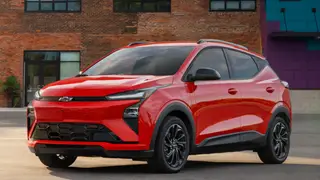
The U.S. EV market is experiencing a sharp contraction among domestic manufacturers in 2026, with steep declines across most major brands. General Motors' electric lineup has been particularly hard hit, with its Chevrolet division seeing catastrophic drops—the Equinox EV fell 92 percent in Q3, while the Blazer EV declined 84 percent. Ford's Mustang Mach-E suffered even worse, plummeting 72 percent quarterly and 59 percent year-to-year. Cadillac's electric ambitions have stalled, with all models showing significant sales erosion.
Toyota's unexpected emergence as an EV leader highlights a strategic shift in the market. The company's hybrid and battery-electric vehicles now comprise over half its U.S. sales, driven by strong performance from the bZ SUV and newly launched C-HR electric model. This contrasts sharply with American automakers' struggles, suggesting consumer preferences may be shifting toward Toyota's approach of offering diverse powertrain options rather than aggressive all-electric transitions.
This sales trend could signal challenges for the U.S. auto industry's transition timeline and domestic EV competitiveness. Declining sales may pressure manufacturers to reconsider production investments and pricing strategies while potentially delaying the phase-out of internal combustion vehicles. Consumers, meanwhile, may face reduced model variety and longer wait times as automakers adjust capacity. The broader implications could affect employment in automotive manufacturing, energy infrastructure planning, and America's climate commitments if the EV adoption curve flattens unexpectedly.