Excavations uncover civilian settlement near German Roman fort, reshaping understanding of fortress life
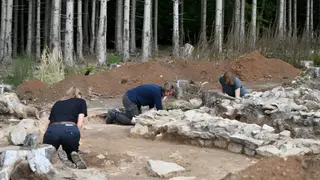
German archaeologists have discovered a Roman civilian settlement lying just below the soil surface near the Kapersburg fort in the Taunus region. Ongoing research by hessenARCHÄOLOGIE and Frankfurt University since 2024 has already provided new insights into how people lived around the military installation. The findings challenge earlier interpretations focused primarily on the fort's military aspects.
Archaeological work in Germany's Taunus region has revealed the remains of a residential community positioned near the Kapersburg fort, a Roman military installation. The discovery, made relatively close to the ground surface, suggests substantial civilian populations clustered around such fortifications. Research teams from hessenARCHÄOLOGIE and Frankfurt University have been systematically studying the site since 2024, gradually piecing together evidence of daily life in these settlements.
The findings indicate that previous scholarly emphasis on military functions may have overlooked the broader social and economic dimensions of fortress communities. This civilian presence likely played important roles in supporting the fort's operations and contributing to regional development during the Roman period in what is now Germany.
These discoveries could reshape how historians and archaeologists interpret Roman frontier settlements across Europe. Understanding civilian-military dynamics may influence museum exhibitions, academic curricula, and regional heritage strategies. Local communities and tourism sectors might benefit from reframed historical narratives that emphasize broader settlement patterns. The research methodology could serve as a model for similar investigations at other Roman sites, potentially revealing previously underexamined aspects of Roman provincial life and economy.