Submerged Ancient Wooden Structure Discovered Beneath German Lake Offers Window Into Prehistoric Settlement
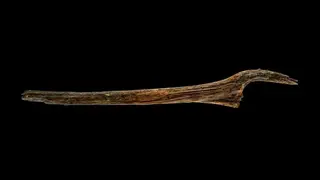
Divers exploring a German lake have uncovered a prehistoric wooden construction preserved by underwater conditions, with timbers suggesting it predates the arrival of agricultural societies in the region. The underwater discovery provides rare archaeological evidence of Stone Age engineering and settlement patterns. Researchers are investigating the structure's original purpose and what it reveals about early human habitation in Central Europe.
Underwater archaeology in freshwater lakes has proven uniquely valuable for preserving organic materials that typically decompose in other environments. The wooden timbers discovered in this German lake represent an exceptional archaeological find, as wood from the Stone Age rarely survives intact. Such preservation allows researchers to examine construction techniques and materials used by prehistoric communities before farming was established in Central Europe, offering insights into how early inhabitants engineered their settlements.
The discovery underscores the importance of submerged sites in understanding human prehistory. Lakes and other waterlogged locations create oxygen-poor conditions that inhibit decay, protecting artifacts and structures that would otherwise be lost to time. This German find adds to the growing body of evidence about pre-agricultural societies and their sophisticated understanding of construction and resource management.
This discovery could enhance scholarly understanding of prehistoric European settlement patterns and technological capabilities, potentially reshaping assumptions about Stone Age communities. The findings may influence how archaeologists prioritize underwater sites for future exploration and funding. Educational institutions and museums could benefit from the new data, enriching public understanding of early human history. Such discoveries also demonstrate how environmental archaeology—studying submerged landscapes—can complement traditional excavation methods and reveal previously inaccessible chapters of human development.