Weight-Loss Medications Associated With Significant Increases in Nail Disorders and Hair Loss
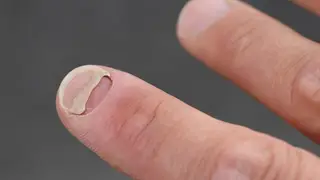
Two large multinational studies found that GLP-1 receptor agonist users experienced substantially higher rates of nail problems, with 66% reporting at least one disorder compared to 53% in non-users, and nail detachment occurring in 39% of users versus 9% of controls. The research identified associations with nail discoloration, hair loss, and scalp conditions that persisted even after accounting for weight loss and other factors. While the studies establish a correlation rather than causation, the findings suggest these widely-used diabetes and obesity medications warrant further investigation for dermatological side effects.
The research compared over 1,900 participants across four countries, examining whether dermatological changes in GLP-1 users exceeded those in weight-matched control groups with similar metabolic conditions. Remarkably, even after researchers accounted for the substantial weight loss these medications produce—a factor independently known to trigger hair shedding and nail changes—the nail and scalp problems persisted at elevated rates. This persistence suggests biological mechanisms beyond simple weight reduction may be at play.
The investigators noted that roughly half of affected users had experienced nail issues previously, complicating the causation question. However, nail detachment and discoloration showed the strongest associations even after statistical adjustments for pre-existing dermatological conditions and nutritional deficiencies. The scalp findings proved particularly revealing: hair loss typically coincided with inflammation markers rather than appearing in isolation, implying a potential inflammatory response worthy of clinical attention.
These findings could reshape how clinicians counsel patients initiating GLP-1 therapy, potentially adding dermatological monitoring to standard patient education. For the millions worldwide using these medications for diabetes and weight management, the results may warrant proactive scalp and nail care strategies. Manufacturers and regulators may face pressure to investigate mechanisms and explore preventive interventions, though establishing definitive causation could require additional research to distinguish drug effects from weight loss physiology.