Pro-Ukraine party projected to win plurality in Latvia's parliamentary elections
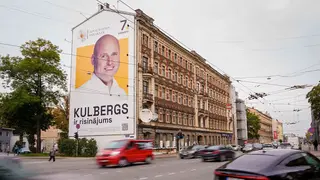
Exit polls indicate Latvia's centrist United List party, led by Prime Minister Andris Kulbergs, is winning approximately 35% support in parliamentary elections held on October 3, positioning it to secure the most seats in the 100-member Saeima. The election represents a test for Kulbergs, who has maintained strong support for Ukraine and oversaw increased Latvian defense spending to 5% of GDP since taking office in May. The vote was held amid ongoing concerns about hybrid Russian threats and security challenges facing the NATO and EU member nation bordering Russia.
Latvia held parliamentary elections on October 3 in the shadow of security pressures stemming from its proximity to Russia and the ongoing war in Ukraine. The country has become a focal point for NATO's eastern defense posture, sharing borders with both Russia and Belarus while hosting a significant Russian-speaking population. Since Russia's 2022 invasion of Ukraine, Latvia has substantially elevated its military spending to represent 5 percent of its gross domestic product.
The election followed political turbulence that toppled the previous government after a Ukrainian drone crossed into Latvian airspace, creating a diplomatic incident. Current Prime Minister Kulbergs assumed office in May after leading coalition negotiations to form a new administration. His tenure has been characterized by explicit commitment to Ukraine's defense and resistance to Russian pressure, positioning pro-Ukraine sentiment as a central political theme despite domestic economic concerns about affordability.
The election results could shape Latvia's defense posture and NATO alliance dynamics in a strategically sensitive region. If Kulbergs' party forms a governing coalition as projected, continued strong Ukrainian support may be expected, potentially influencing broader Baltic security coordination. However, the strong showing of the Russia-friendly Sovereign Power party—the only faction opposing military aid to Ukraine—may signal domestic divisions that could complicate future policy decisions on defense spending and foreign aid, affecting both regional stability and Latvia's role within Western security structures.