ICE shooting death of Houston resident mobilizes Latino community and electoral concerns in Texas
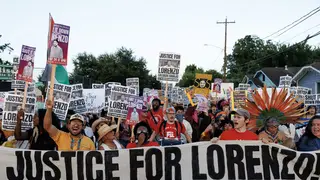
The fatal shooting of Lorenzo Salgado Araujo by Immigration and Customs Enforcement agents three months ago is galvanizing the Houston Latino community during the 2026 election cycle. ICE officials stated Salgado used his vehicle as a weapon, but residents describe the incident as an unjust killing that reflects broader concerns about aggressive immigration enforcement policies. The case has become a rallying point for Latino voters worried about the Trump administration's deportation operations and their impact on immigrant communities.
The incident involving Salgado Araujo has emerged as a focal point for broader community grievances regarding immigration enforcement under the current administration. Community members expressed frustration not only about the fatal shooting itself, but also about perceived transparency issues and what they view as disproportionate enforcement operations targeting immigrant populations. The case has amplified existing anxieties about deportations and family separation within Houston's Latino neighborhoods.
Survey data reveals a significant shift in Latino political sentiment, with strong majorities expressing disapproval of current immigration policies. While immigration ranks surprisingly low as an isolated priority issue among Latino voters, the implementation and perceived severity of enforcement operations has generated substantial concern. This disconnect between issue ranking and emotional response suggests the immigration debate resonates through personal safety and community stability rather than abstract policy discussions.
This case could serve as a mobilizing force in electoral competition for Latino voters in Texas, a state with substantial influence in national politics. The emotional resonance of the incident may shape voter priorities and candidate selection independently of traditional polling data. How political candidates and parties respond to community demands for accountability could significantly affect Latino voter participation and coalition-building in upcoming elections, potentially influencing competitive races across multiple levels of government.