Zelensky warns of Russia-North Korea weapons technology transfers amid military cooperation
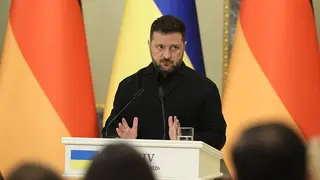
President Zelensky disclosed that Russia has transferred jet-powered drone technology to North Korea as part of their deepening military partnership. The disclosure follows reports of Moscow recruiting additional North Korean troops and a broader pattern of weapons cooperation including artillery and missiles supplied to Russia. Zelensky compared the situation to Russia's earlier technology sharing with Iran, noting the potential for future reciprocal military support between the nations.
Russia and North Korea have established a reciprocal military relationship throughout the ongoing conflict in Ukraine. North Korea has supplied Russia with substantial quantities of artillery shells and missile systems used in combat operations, while Moscow appears to be providing advanced defense technologies in return. This exchange represents a concerning escalation, as both nations gain access to capabilities they previously lacked or could not independently develop at scale.
The comparison to Russia's earlier arrangement with Iran illustrates a pattern of technological cooperation among nations facing international isolation. When Iran subsequently faced military threats from Western powers, Russia reciprocated by providing drone technology. Ukrainian officials worry this model could repeat with North Korea, potentially creating a more dangerous regional security environment if Pyongyang gains access to sophisticated weapons systems.
This arms transfer arrangement could significantly alter regional military dynamics in East Asia and Eastern Europe. North Korea's acquisition of advanced drone technology might enhance its military capabilities against neighboring states, while Russia gains sustained ammunition supplies to sustain its military operations. The development may concern allied nations in both regions—particularly South Korea, Japan, and NATO members—who could face more capable adversaries. Such deepening partnerships among isolated nations may also complicate diplomatic efforts and international sanctions regimes designed to constrain military conflicts.