U.S. envoys discuss major Russian oil company assets as part of peace negotiation strategy
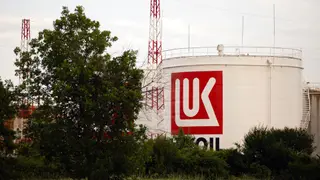
The Trump administration's peace talks with Moscow have expanded to include potential agreements involving Lukoil, Russia's second-largest oil producer, according to reporting on discussions between U.S. envoys and the Kremlin. Business associates connected to the American negotiators are exploring a deal that could lift sanctions on Lukoil's global assets if approved by both governments, with the potential benefit of lowering global oil prices. The proposal reportedly originated from Russian President Putin during an early September meeting with the U.S. envoys as a mechanism to demonstrate business opportunities for Russia amid ongoing sanctions.
The proposed Lukoil arrangement emerged during September discussions between Putin and American negotiators Kushner and Witkoff, who indicated willingness to pursue the matter as a confidence-building measure. Lukoil has been under U.S. sanctions since 2025, when the Treasury Department targeted Russia's largest oil producers to restrict revenue flowing toward military operations. The company announced a January agreement to sell most foreign holdings to investment firm Carlyle, though this remains contingent on U.S. regulatory approval. Lukoil's global operations span refineries across Europe and hundreds of gas stations internationally, alongside stakes in energy projects across Kazakhstan, Uzbekistan, and Africa.
This potential agreement could significantly reshape U.S.-Russia relations and energy markets. Sanctions relief might increase Lukoil's asset values and restore Russian energy revenues, which could undermine long-term Western economic pressure strategies. However, it may also facilitate diplomatic progress by offering Moscow tangible incentives. Global oil prices could decline if additional Russian supply enters markets, potentially affecting energy costs for consumers and energy-dependent sectors. The arrangement raises questions about whether economic concessions align with broader strategic objectives regarding Russian conduct and accountability.