Pro-Ukrainian centrist faction secures dominant victory in Latvian parliamentary elections
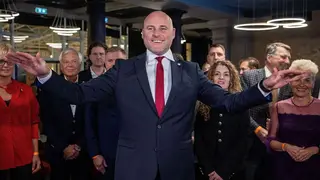
Latvia's centrist United List party, led by Prime Minister Andris Kulbergs, won over 35 percent of the vote in parliamentary elections held on October 3, securing 41 of 100 parliamentary seats. The decisive victory demonstrates voter confidence in the government's leadership and pro-Ukraine stance, with voter turnout reaching 51.8 percent amid concerns about security and affordability. The election results represent support for Ukraine-friendly policies as Latvia, a NATO and EU member sharing a border with Russia, faces ongoing security challenges.
Latvia's election took place against a backdrop of geopolitical tension, following instability that forced the previous prime minister from office after a cross-border incident. The vote drew roughly half the eligible population, indicating moderate but not exceptional civic participation. The results reflected a fragmented parliament where no single party commands overwhelming power, with pro-Ukraine and pro-Russian factions both represented, though the latter remain marginalized in legislative influence.
The victorious centrist party's platform prioritized both security and economic concerns that dominated voter discussions. Latvia's strategic position bordering Russia and Belarus, combined with its NATO and EU membership, has shaped the government's defense policy significantly—the nation has committed exceptional resources to military spending relative to its economic size since Russia's 2022 invasion of Ukraine.
The election outcome could influence Latvia's foreign policy trajectory and defense commitments over the coming four years. A strengthened centrist government may sustain high military expenditure and pro-Ukraine positioning, potentially affecting regional stability dynamics. Conversely, the modest gains by pro-Russian parties, while electorally marginal, may signal underlying domestic divisions over foreign policy direction. The composition of any governing coalition will likely determine whether Latvia deepens integration with Western institutions or experiences political friction over Russia-related issues.