RuneScape Reignited Faces Player Skepticism Over Potential Community Fragmentation
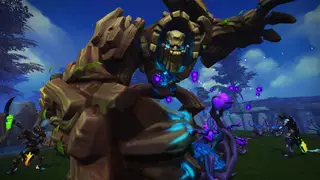
Jagex announced RuneScape Reignited, a new character type within RS3 that allows players to start fresh with an isolated economy while maintaining some interaction with existing players through shared worlds and clans. The new feature removes progression from previous playtime and promises to exclude controversial systems like the Treasure Hunter microtransaction store, though longtime players expressed concerns about fragmenting the already small RS3 community. While designed to attract new players without the intimidation of 20 years of accumulated progression, the announcement prompted negative reactions comparable to past player riots.
Jagex's latest initiative introduces a parallel progression system within RuneScape 3 rather than launching a completely separate game. These new characters inhabit shared virtual spaces with traditional players and can form cooperative groups like clans, yet remain economically isolated through separate trading systems and restricted access to certain endgame content. The company positioned this feature as a retention tool for potential players intimidated by two decades of accumulated advancement, while simultaneously phasing out the previously controversial microtransaction mechanics that had plagued the community.
The player backlash reflects deeper anxieties about resource dilution in an already modest player ecosystem. Long-term veterans worry that fragmenting the population across multiple character types could further reduce viable group sizes for cooperative activities, while simultaneously devaluing the substantial time investments existing players have accumulated.
RuneScape Reignited could reshape how established MMOs approach new-player onboarding, potentially influencing industry practices around progression resets and economic segregation. However, the initiative may also demonstrate the limits of retaining players through structural features alone—if the core appeal issues persist, parallel systems might simply distribute an already-small audience rather than expand it. The community's resistance suggests that accessibility alone may not address deeper engagement challenges facing aging MMO franchises.