Merz Visits Kyiv to Affirm German Commitment Amid Russian Strikes
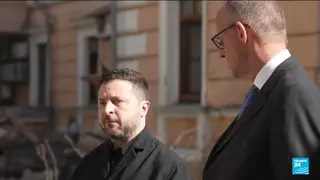
German Chancellor Friedrich Merz traveled to Ukraine on Sunday to demonstrate solidarity following recent Russian attacks on Kyiv's infrastructure, including strikes on three bridges. Merz's visit signals Germany's continued support despite earlier statements by the foreign minister calling for de-escalation, which drew criticism from Russia's Sergei Lavrov. Moscow has escalated tensions by calling on foreign nationals and diplomats to evacuate Ukraine.
German Chancellor Friedrich Merz's visit to Ukraine represents a direct affirmation of Berlin's backing for Kyiv at a moment when Russian military operations have intensified against critical civilian infrastructure. The timing underscores internal tensions within Germany's diplomatic approach, as the foreign ministry had recently pursued dialogue emphasizing restraint, a position that Moscow's leadership rejected as inconsistent with Germany's continued military assistance to Ukraine.
Russia has responded to international solidarity visits with escalatory rhetoric, including demands that foreign personnel withdraw from Ukrainian territory. This pattern of military strikes paired with diplomatic pressure suggests Moscow may be attempting to isolate Ukraine internationally while simultaneously degrading its infrastructure and civilian resilience.
Merz's visit may strengthen European resolve to maintain military and economic support for Ukraine, potentially affecting NATO alliance cohesion. The chancellor's high-profile presence could signal to domestic German audiences that backing Ukraine remains central policy despite earlier calls for negotiation. Conversely, Russia's hostile response could deepen the diplomatic impasse, making near-term negotiations more difficult. The conflicting messaging from German officials may also create uncertainty about the consistency and duration of international backing Ukraine can expect.