Iran's Oil Chief Steps Down Amid Supply Crunch
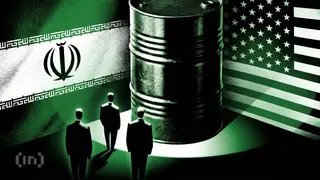
Iran's oil minister has resigned as the country faces imminent depletion of its remaining oil stockpiles in mid-October. The departure comes at a critical juncture for Tehran's energy sector, yet crude oil prices have not spiked significantly in response. The timing suggests ongoing geopolitical pressures on Iran's ability to maintain petroleum exports.
Iran's petroleum sector is navigating a severe supply crisis that has prompted leadership change at the ministerial level. The nation confronts a pressing timeline regarding its crude reserves, signaling deepening challenges in maintaining energy infrastructure and export operations. This institutional shift reflects the gravity of Tehran's current energy predicament.
The muted market reaction to this development—absent the price volatility typically accompanying supply disruptions—warrants attention. It suggests traders may be pricing in existing constraints on Iranian petroleum availability or anticipating limited near-term export capacity regardless of administrative changes.
A potential depletion of Iran's oil stockpiles could impact global energy markets, developing economies reliant on diverse crude sources, and Iran's fiscal revenues. International oil markets may face upward price pressure if substitute supplies prove insufficient. Nations dependent on Iranian energy trade could face supply uncertainties. The resignation itself may signal investor concerns about Tehran's ability to manage its petroleum sector effectively during prolonged economic constraints.