Ukrainian long-range attacks disable more than half of Russia's oil refining capabilities
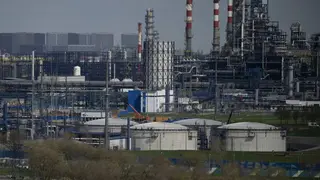
Ukraine's systematic long-range strikes have disabled over 51 percent of Russia's oil refining capacity, according to the Defense Ministry report released October 4, representing an increase from the 45 percent reduction assessed in late September. Ukraine targets Russian refineries as valid military objectives because they supply both fuel and financial resources to Russian armed forces, having struck facilities in Moscow, Yaroslavl, Kirishi, Perm, and other locations. The Defense Ministry emphasized that this damage significantly weakens Russia's economic capacity and military supply capabilities, achieved through carefully coordinated attacks using increasingly produced long-range strike drones.
Ukraine's campaign against Russian petroleum infrastructure represents a significant shift in military strategy, targeting the economic foundation that sustains prolonged conflict. By striking multiple refineries across western Russia—from Moscow to facilities in the Volga region—Ukrainian forces have systematically reduced Moscow's capacity to process crude oil into usable fuel and generate revenue. The escalating success reflects both technological advancement in drone manufacturing and strategic planning by Ukrainian defense officials.
The increase from 45 percent to over 51 percent disabled capacity within two weeks underscores the acceleration of these operations. Ukraine has invested heavily in expanding domestic production of long-range strike systems, tripling output in 2026 alone. This expansion suggests plans for sustained or intensified pressure on Russian energy infrastructure in coming months, despite Putin's efforts to restrict public information about refinery operations.
This campaign could affect global energy markets and fuel prices, as disruptions to Russian oil processing may influence worldwide petroleum supplies. Within Russia, reduced refining capacity may strain military logistics and complicate civilian fuel distribution, potentially creating domestic economic pressure. For Ukraine, the strategy risks Russian retaliation against civilian energy infrastructure. The broader implications depend on whether these attacks force sustained changes in Russian military operations or prompt alternative fuel sourcing strategies.