Russian Strikes Target Multiple Ukrainian Regions as Ground Fighting Continues
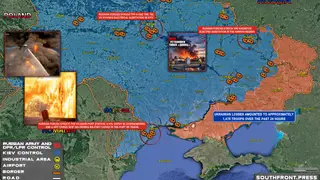
Russian forces conducted widespread strikes across numerous Ukrainian regions using 205 drones, destroying military and infrastructure targets while suffering reported air defense losses. Ukrainian forces sustained approximately 1,470 casualties over 24 hours as Russian units advanced in the Zaporizhzhia region and regained positions in other contested areas. The conflict involved mutual drone attacks across both Russian and Ukrainian territory with competing claims of successful interceptions.
The October 5 strike campaign reflects the scale of aerial operations in the conflict, with Russian forces deploying over 200 unmanned aircraft across a broad geographic area targeting both military installations and civilian infrastructure. The attacks concentrated on power generation facilities and port operations, suggesting an effort to degrade Ukrainian energy and logistics capabilities. Meanwhile, Russian territorial gains in the Zaporizhzhia region indicate continued ground pressure despite Ukrainian defensive efforts and counterattacks.
Ukrainian air defenses claimed significant interception rates, destroying approximately 199 incoming drones, though the high casualty figures and reported Russian advances suggest defensive resources remain stretched across multiple fronts. The reciprocal nature of drone warfare—with Ukrainian strikes penetrating Russian airspace into multiple regions—demonstrates both sides' capacity to project force beyond immediate combat zones.
Sustained high-casualty fighting and infrastructure destruction could affect civilian populations through prolonged energy shortages and supply disruptions, potentially deepening humanitarian challenges. The targeting of port facilities and electrical systems may complicate reconstruction timelines and economic recovery planning. For international observers, the scale and persistence of operations signal neither side shows imminent signs of negotiated settlement, which could influence decisions by supporting nations regarding aid commitments and conflict duration assessments.