Indian Semiconductor Assembly Facilities Build Non-Chinese Supply Networks
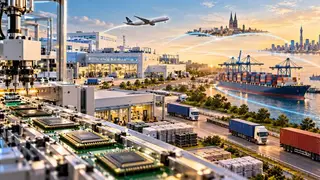
Five new outsourced semiconductor assembly and test facilities in India are deliberately reducing reliance on Chinese suppliers, with companies like Tata Electronics, Micron Technology and Kaynes Semicon sourcing equipment and materials from Japan, Singapore, the Netherlands and Malaysia. This diversification strategy responds to export restrictions, tariff volatility and geopolitical disruptions affecting supply continuity. The shift reflects a broader industry trend toward supply chain resilience as India positions itself as an alternative manufacturing hub.
India's semiconductor assembly sector is deliberately architecting supply chains that pull equipment and materials from established manufacturing hubs across Asia, Europe and North America rather than concentrating purchases in China. The five facilities—operated by major players including Tata Electronics, Micron Technology and a Kaynes Semicon-led venture—are each securing long-term partnerships with specialized suppliers in Japan, Singapore, the Netherlands and Malaysia for critical inputs like assembly machinery, bonding wire and testing equipment.
However, certain material bottlenecks remain difficult to bypass. Copper lead frames, epoxy compounds and precious-metal bonding wire continue to flow from limited global suppliers, creating shared dependencies that no single Indian manufacturer can fully circumvent. Simultaneously, India is attempting to develop domestic capacity for specialty gases and chemicals through investments by INOX Air Products, Linde and others, addressing another vulnerability in the regional supply ecosystem.
This diversification may strengthen semiconductor supply resilience for multinational customers by reducing concentration risk in a single geopolitical region, potentially benefiting technology companies and consumers dependent on stable chip availability. However, the shift could intensify competition among non-Chinese suppliers and may increase manufacturing costs initially. India's positioning as an alternative assembly hub could alter global trade dynamics, though the sector's reliance on imported materials and equipment means cost advantages may remain limited compared to established manufacturing regions.