U.S. Treasury Reports Iran Has No Oil Exports This Week Amid Economic Sanctions
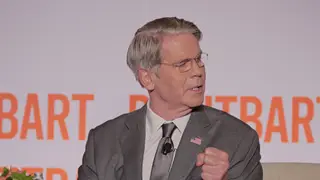
Treasury Secretary Scott Bessent announced that Iran will have no oil at sea and no revenue this week for the first time in its history of oil production, following a three-stage U.S. campaign including military operations, a naval blockade, and comprehensive economic sanctions. The administration's strategy, called Operation Economic Outcast, aims to isolate Iran from international commerce and restrict resources for military and drone programs. The blockade has prevented all Iranian oil exports while allowing over 1.1 billion barrels of international commerce to pass through the Strait of Hormuz.
The U.S. strategy comprises three coordinated phases: a military campaign that degraded Iran's defensive capabilities, a naval blockade restricting oil shipments through the Strait of Hormuz, and broad economic sanctions targeting critical industries. The blockade demonstrates selective enforcement—while Iranian exports have been halted entirely, international commerce continues unimpeded through the same waterway, with the administration citing over 1.1 billion barrels of protected trade flows.
Iran's domestic situation reflects severe economic strain. The rial has lost more than half its value within a year, inflation exceeds 70 percent, and the central bank has intervened with currency support measures. Senior Iranian officials have publicly acknowledged the crisis during high-level government meetings, suggesting the economic pressure is creating measurable internal strain.
This situation could reshape global energy markets and geopolitical dynamics. Oil-dependent nations may face price volatility if Iranian supply remains offline, while China and other importers lose a significant trading partner. The strategy's success may influence how future economic pressure campaigns are structured, potentially affecting smaller nations' trade relationships. Domestically, Iranians could experience deepening hardship through currency collapse and inflation, raising humanitarian concerns even as the blockade's military effects diminish over time.