Africa's largest wind project and major battery storage facilities move toward construction
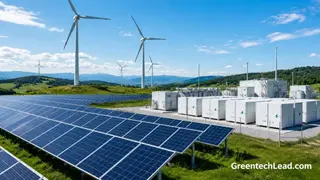
Scatec and EDF have begun constructing the 900 MW Shadwan wind farm in Egypt, a $716 million project expected to generate 4 TWh annually and eliminate 1.6 million tonnes of CO₂ emissions yearly. Atmos Renewables reached financial close on an Australian battery storage system and wind farm totaling 870 MW of new capacity with support from the national Capacity Investment Scheme. NLC India Renewables won a 265 MW battery energy storage contract in Haryana through competitive bidding.
The Shadwan wind farm represents a significant infrastructure investment for North Africa's energy transition, with construction now underway following financial backing from regional development funds. The facility's annual output of 4 TWh positions it among the continent's largest wind installations, while its carbon reduction potential addresses Egypt's climate commitments. Meanwhile, battery storage projects are advancing simultaneously across multiple continents—Australia's Atmos portfolio targets grid stability through multi-hour discharge capabilities, while India's Haryana system emphasizes rapid response cycles to balance thermal generation retirement.
These renewable infrastructure milestones could affect energy costs and grid reliability in their respective regions by increasing clean capacity and storage options. For developing economies like Egypt and India, expanded renewable portfolios may reduce long-term energy import dependence and create construction employment. In Australia, battery integration could enable higher renewable penetration while maintaining grid dispatch flexibility. However, project success depends on completion timelines, maintenance capabilities, and policy stability across jurisdictions—factors that will determine actual impact on electricity availability and affordability for consumers.