Tai Ping and Edward Fields Open Serene Manhattan Flagship Designed by Gensler
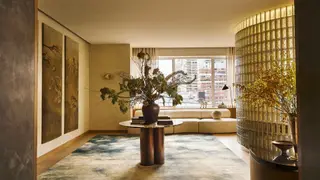
A new joint showroom for carpet brands Tai Ping and Edward Fields has opened in Manhattan's A&D Building, designed by architecture firm Gensler to feel like a calming sanctuary rather than a traditional retail space. The showroom blends the brands' aesthetic traditions—East Asian influences and midcentury design—through warm materials including mauve Venetian plaster, wood paneling, and travertine mosaic flooring. The design deliberately creates a welcoming, non-transactional environment that offers respite from the bustling energy of New York City.
The showroom brings together two distinct design heritage traditions within a single space. Tai Ping, marking its 70th anniversary, carries East Asian design sensibilities, while Edward Fields represents American midcentury modernism. The joint flagship occupies the A&D Building, a recognized hub for design professionals in Manhattan, positioning the brands within a community of architects and interior designers seeking inspiration and materials.
The interior's functionality extends beyond aesthetics. Specific design elements serve practical purposes: the pom bar allows clients to evaluate color options across carpet samples, while the white oak flooring and millwork provide a neutral visual reference point for imagining finished installations. Archival materials—including vintage order books, historical advertisements, and production equipment—are integrated throughout as both historical documentation and design inspiration sources.
The showroom concept may influence how luxury home furnishing brands approach retail environments, particularly among design-focused audiences. By prioritizing atmosphere and discovery over transactional efficiency, the space could shift expectations for how showrooms engage professional designers and affluent consumers. This model might encourage similar brands to invest in experiential retail that doubles as creative sanctuaries, potentially affecting commercial real estate demand in design districts and altering how showrooms are evaluated as business investments.