Idaho FFA Foundation's raffle reaches $300K milestone in agricultural scholarships
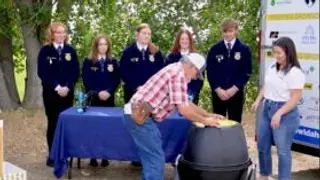
The Idaho FFA Foundation's annual scholarship raffle, now in its 16th year, has distributed over $300,000 to students pursuing agricultural education and careers. Nearly 6,000 participants purchased tickets for the 2026 drawing, which awarded prizes including a Polaris utility vehicle and gift cards to local winners. The program returns half of ticket sales to local FFA chapters while funding scholarships for students throughout the state.
The Idaho FFA Foundation's raffle originated in 2011 when a local farmer and former FFA member restored a vintage tractor to support agricultural education funding. The program has evolved over 16 years from featuring reconditioned farm equipment as prizes to now offering modern utility vehicles, while maintaining its core mission of supporting students pursuing diverse careers connected to rural communities. Annual proceeds exceed $100,000, with roughly 6,000 participants engaging in each year's drawing.
The scholarship model incorporates a dual-benefit structure where ticket revenues are split between local chapters selling them and a statewide scholarship pool. This approach has supported approximately 300 students in pursuing higher education across various fields—from production agriculture to healthcare and skilled trades—recognizing that agricultural regions require professionals across multiple sectors. Recipients have gone on to advanced degrees and international careers in agricultural research and advocacy.
This program may influence agricultural workforce development by reducing financial barriers for students considering rural-related careers and professions. By supporting diverse educational pathways rather than narrowly defined agricultural majors, the foundation could help address workforce gaps in rural communities across multiple sectors. The model of combining local community support with statewide funding may demonstrate how regional organizations can sustain educational initiatives while maintaining direct connections to local economies and student success trajectories.