Trump's Campaign Machine Overshadows Texas GOP Senate Nominee's Autonomy
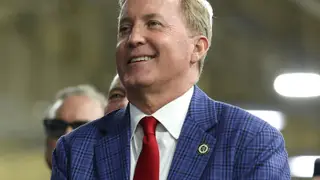
Texas Attorney General Ken Paxton acknowledged in a leaked September fundraiser recording that he lacks control over his own campaign strategy and messaging, with decisions instead emanating from Washington. Despite Trump's public endorsement, the former president has declined to contribute significantly to Paxton's campaign, instead directing resources toward Republican National Convention efforts. Paxton currently trails Democratic opponent James Talarico by approximately six points in polling and faces a substantial fundraising disadvantage.
Ken Paxton's September remarks highlight a fundamental tension within the 2026 Texas Senate race. The Republican nominee acknowledged that campaign strategy and messaging originate from national party leadership rather than his own team, limiting his ability to respond to local concerns or adjust tactics. This arrangement reflects the increasing centralization of campaign decision-making at the national level, where party infrastructure coordinates messaging across multiple races.
The financial disparity between the candidates has become substantial. Talarico has accumulated approximately $31.6 million compared to Paxton's $9.3 million, according to Federal Election Commission filings. Despite Trump's public endorsement of Paxton, the former president has directed fundraising efforts toward Republican National Convention activities rather than the Senate nominee's coffers, creating a significant resource gap that compounds Paxton's polling deficit.
The dynamics revealed in this race could influence how future candidates view alignment with national party leadership versus maintaining campaign autonomy. Voters in competitive races may face candidates with reduced flexibility to tailor messages to district-specific issues, potentially affecting how local concerns receive attention during campaigns. The centralization of campaign control and fundraising decisions raises questions about whether Senate nominees can effectively represent state-level priorities when national party infrastructure maintains strategic dominance over their campaigns.