Abortion Rights Face Voters in Four States as Ballot Measures Shape Midterm Election Stakes
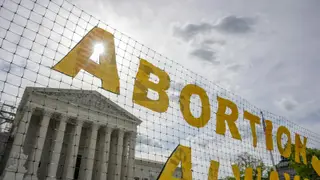
Four years following the Supreme Court's Dobbs decision eliminating federal abortion protections, voters in Idaho, Missouri, Nevada, and Virginia will consider ballot measures addressing reproductive rights during the 2026 midterm elections. Abortion rights advocates view these initiatives as mobilizing forces for voter turnout and candidate support, with historical voting patterns showing consistent support for abortion access measures across multiple states since 2022. The ballot measures range from enshrining constitutional protections to reversing strict abortion bans, with control of Congress itself hanging in the balance during these elections.
The 2026 midterm elections mark a significant moment in the ongoing national debate over abortion access following the 2022 Dobbs ruling. Four states will allow voters to directly weigh in on reproductive rights through ballot initiatives, continuing a pattern established over the past four years. Historical data demonstrates consistent voter support for abortion protections when given the opportunity at the ballot box, with measurable majorities backing such measures across numerous states since the Supreme Court eliminated the federal constitutional right to abortion.
Abortion rights organizations are strategically leveraging these ballot initiatives to increase voter participation, viewing them as potential catalysts for turnout in closely contested races. However, advocates recognize a critical gap between voting for abortion protections and supporting candidates aligned with those values. The challenge lies in translating ballot measure support into coordinated voting across state-level races, where gubernatorial and legislative contests will ultimately determine implementation and enforcement of any constitutional amendments.
These ballot measures could significantly influence voter engagement patterns in competitive midterm races, particularly affecting turnout among younger and female voters who consistently prioritize reproductive rights. The outcomes may reshape state-level political landscapes, as abortion access could become a decisive factor in otherwise close gubernatorial and legislative contests. Additionally, the disconnect between abortion rights support and candidate preference suggests these initiatives may impact coalition-building strategies for both parties, potentially affecting which demographic groups ultimately decide control of state governments and federal representation.