Trump withholds signatures on bills as leverage during pro forma sessions
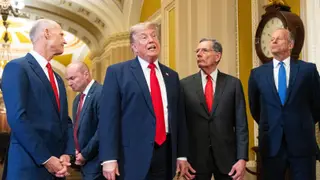
During the current midterm election recess, Congress is operating in pro forma mode, which allows legislation to become law automatically after 10 days without presidential signature if the chambers remain technically in session. President Trump has deliberately withheld signatures on recent bills sponsored by his own party members as a political tactic to deny Republicans public credit for legislative victories. Congressional scholars attribute this strategy to Trump's use of executive power to maintain leverage over GOP lawmakers rather than policy disagreements with the bills themselves.
President Trump has leveraged the constitutional 10-day rule to prevent Republican lawmakers from receiving public recognition for legislative achievements, according to congressional scholars. Rather than objecting to the bills' substance, he withholds signatures to maintain political control over party members. One notable instance involved his refusal to sign a major housing reform package unless the Senate passed separate election security legislation, forcing the bill into law without ceremony.
Pro forma sessions—brief procedural meetings that keep chambers technically in session—have become a standard congressional tool since 2007. Originally designed to prevent presidents from using pocket vetoes or making recess appointments, these sessions now interact with the 10-day rule in ways that reshape how legislation becomes law. The combination creates scenarios where bills can pass without traditional presidential involvement.
This dynamic may alter public perception of legislative accomplishment and executive-legislative branch relations. Lawmakers could face difficulty communicating legislative victories to constituents when bills become law without visible presidential endorsement. Additionally, the pattern may encourage presidents to view bill signatures as negotiating tools rather than ceremonial confirmations, potentially affecting how future administrations approach divided government and interstate political leverage.