Nanoparticle therapy targeting lung tumors simultaneously reduces cancer and cancer-related muscle wasting
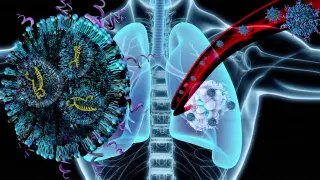
Researchers developed lipid nanoparticles that deliver follistatin messenger RNA directly to lung tumors, achieving tumor reduction while addressing cachexia, the severe muscle wasting associated with cancer. The targeted approach accumulated preferentially in lung tissue, producing approximately 2.5-fold greater tumor burden reduction compared to systemic delivery methods while improving food intake and preserving muscle mass in laboratory mice. This dual-action treatment represents a potential therapeutic strategy for tackling both the primary disease and one of cancer's most debilitating complications.
Cancer cachexia represents a particularly devastating complication where patients experience profound muscle deterioration alongside their primary disease. This wasting syndrome significantly diminishes quality of life and treatment outcomes, yet few therapeutic interventions specifically address it. The Oregon State research targets this gap by using follistatin, a naturally occurring protein known to promote muscle growth while simultaneously inhibiting tumor development.
The delivery mechanism itself represents a technical advancement in nanoparticle design. By engineering particles that bind to vitronectin—a blood protein—researchers created a system that preferentially accumulates in lung tissue rather than the liver, where conventional nanoparticles typically lodge. This targeted approach substantially improved therapeutic efficacy in animal studies, suggesting potential advantages over existing systemic delivery methods.
If validated in human trials, this dual-action therapy could substantially improve outcomes for lung cancer patients by addressing both disease progression and debilitating muscle loss simultaneously. Cancer cachexia currently lacks effective clinical treatments, so targeted interventions may significantly enhance patient survival rates and quality of life. However, the approach remains experimental; considerable development would be necessary before determining safety and efficacy in human populations, and benefits may vary based on individual disease characteristics and patient factors.