AF Blakemore nearly doubles rapid delivery footprint through expanded Snappy Shopper rollout
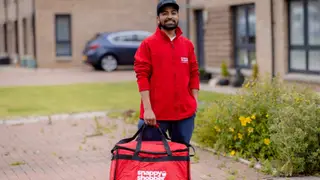
AF Blakemore increased its Snappy Shopper rapid delivery partnership from 95 to 167 Spar stores during August and September, bringing convenient online ordering to 40 new communities where the platform had no existing retail presence. The expansion builds on strong performance, with the existing estate generating over 95,000 orders in the previous 12 months at an average value of £30.30, plus 20% year-on-year growth in new customer acquisition. The phased rollout will continue adding locations weekly, enabling more customers to access same-day grocery delivery from local Spar stores.
AF Blakemore, a leading grocery wholesaler and symbol of the Spar brand in the UK, has substantially strengthened its digital grocery presence by integrating rapid delivery capabilities across a significantly larger network of convenience stores. The phased rollout demonstrates a calculated approach to scaling operations, allowing the business to monitor performance and adjust processes as new locations come online. This measured expansion strategy reflects confidence in the existing model's viability, evidenced by strong underlying metrics from the original 95-store footprint.
The geographic expansion into previously underserved areas suggests a deliberate strategy to capture market share in communities lacking competing rapid delivery services. By positioning local Spar stores as the fulfillment point for same-day orders, AF Blakemore is leveraging its existing retail infrastructure and local community relationships to compete in the growing convenience delivery sector dominated by larger national players.
This expansion could make same-day grocery delivery more accessible to consumers in smaller towns and rural communities, potentially reducing shopping friction for busy households. Small retailers and independents in these areas may face increased competitive pressure, though some may benefit from supply relationships with AF Blakemore. Consumers may gain convenience and choice, while delivery platform operators could see network effects from broader coverage. Employment in local stores could shift toward fulfillment roles, creating both opportunities and labor adjustments.