Russian cruise missile strikes kill 5 Ukrainians, wound dozens in one-day assault
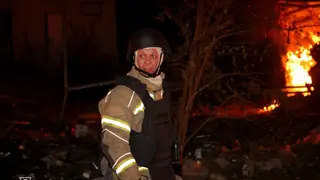
Russian forces conducted a heavy overnight attack launching 205 drones across Ukraine, of which Ukrainian air defenses intercepted 172, resulting in five deaths and 61 injuries nationwide. A Banderol cruise missile strike on the city of Kharkiv killed one person and wounded eight others, with additional casualties reported across multiple regions including Zaporizhzhia, Sumy, Dnipropetrovsk, and Kyiv. The attacks targeted civilian infrastructure across 13 locations while debris from intercepted weapons fell in three additional areas.
Russian forces employed a combination of unmanned aerial vehicles and cruise missiles in the overnight assault, with air defense systems managing to neutralize most airborne threats. The Banderol cruise missile, described as an economical weapon platform, has become a recurring tool in Russia's targeting strategy against Ukrainian population centers and military infrastructure. The scale of the attack—205 drones launched in a single operation—reflects the intensity of ongoing aerial campaigns across multiple regions.
Casualties were distributed across a wide geographic area, from Kharkiv in the northeast to Kherson along the southern front, indicating a coordinated assault rather than isolated strikes. Civilian infrastructure in 13 separate locations sustained damage, with populated areas including regional capitals experiencing direct impacts. The presence of injured children among the casualties underscores the civilian toll of the sustained campaign.
The continuous drone and missile attacks could strain Ukraine's air defense resources over time, as interception rates—while currently high at 84 percent—require sustained ammunition and equipment availability. Widespread injuries and infrastructure damage may affect civilian access to services and economic activity across multiple regions. The pattern of strikes on diverse geographic targets could influence population displacement and the allocation of humanitarian resources, while the scale of operations may shape international assessments of the conflict's trajectory.