Supreme Court Considers Whether Oil Companies Can Be Sued for Climate Deception
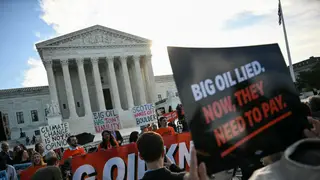
The U.S. Supreme Court heard arguments in a case that could determine whether more than two dozen lawsuits against major oil companies for deceiving the public about climate change can proceed, with plaintiffs seeking billions in damages for climate-related disaster costs. Oil companies argue that federal law preempts state and local governments from bringing such claims, while Boulder and other plaintiffs maintain their lawsuits do not attempt to regulate energy policy. The court's decision on these jurisdictional questions will likely shape the viability of climate accountability litigation nationwide.
The lawsuit originated in 2018 when Boulder, Colorado sought damages from major petroleum corporations, alleging they concealed knowledge about climate change's effects while simultaneously undermining public awareness campaigns. The case has persisted through multiple court levels, suggesting judges have found sufficient legal grounds to allow it to advance. Now at the nation's highest court, the dispute centers not on whether deception occurred, but rather on governmental authority—specifically whether states possess the power to hold companies accountable under their own laws or whether federal regulations override such efforts.
Conservative and industry groups have mobilized to prevent similar cases nationwide, deploying legislative action in certain states, federal proposals for corporate protection, and coordinated public records requests targeting climate scientists. The Supreme Court's ruling will determine if approximately 25 comparable lawsuits can proceed toward potential jury trials and damage awards.
A ruling for oil companies could effectively shield the industry from state-level accountability mechanisms for decades, while a decision favoring Boulder might expose corporations to numerous damage claims across thousands of jurisdictions. The case could reshape climate litigation strategy nationwide and influence how governments pursue financial remedies for climate-related harms. Scientists, municipalities, and taxpayers facing disaster recovery costs all have stakes in whether private entities can be held financially responsible for their roles in climate change through existing legal frameworks.