Skull Analysis Reveals Complex History of Deaths at Egypt's Earliest Royal Burial Sites
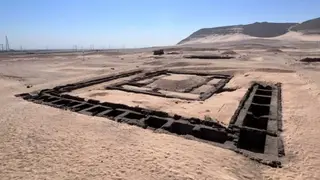
Researchers have reexamined skeletal remains from Umm el-Qaab near Abydos, where individuals were interred adjacent to First Dynasty royal tombs, challenging long-held assumptions about their deaths. Previous interpretations by early archaeologists attributed these burials to human sacrifice, but contemporary analysis of surviving skulls suggests a more nuanced explanation. The findings indicate that the circumstances surrounding these deaths were likely more complicated than previously theorized.
Researchers studying the First Dynasty necropolis at Umm el-Qaab have undertaken a fresh examination of human skeletal material discovered near Egypt's royal burial chambers. The site, located in the Abydos region, contains remains of individuals interred in proximity to tombs of early pharaohs. Early twentieth-century archaeologists interpreted these burials as evidence of ritual killing accompanying royal death, a practice sometimes documented in ancient funerary contexts. Modern scholars have revisited this interpretation through detailed skeletal analysis.
Contemporary examination of surviving cranial remains suggests the deaths at these burial sites resulted from circumstances more varied and complex than human sacrifice alone would indicate. This reassessment demonstrates how improved analytical methods and fresh scholarly approaches can challenge established archaeological narratives about ancient burial practices and may reshape understanding of First Dynasty mortuary customs and social organization.
This reinterpretation could influence how scholars understand early Egyptian royal administration and funerary ideology. Museums and educational institutions may adjust how they present First Dynasty burial practices to the public. The findings may also refine broader archaeological frameworks for interpreting skeletal evidence from ancient burial sites, potentially affecting methodology in similar investigations across ancient Near Eastern and Mediterranean contexts.