Ukraine Launches Massive Drone Campaign Against Moscow, Killing Two
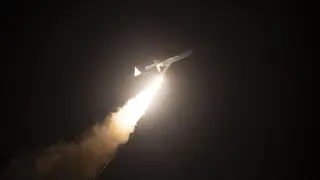
Ukraine conducted one of its largest drone strikes on Moscow in two years, deploying approximately 650 unmanned aircraft that killed two people and wounded six others, according to Russian authorities. Moscow claimed to have intercepted most of the drones, though over 100 reached the capital area, with one crashing into a warehouse and igniting a fire. The escalation reflects intensifying long-range strikes by both nations targeting critical infrastructure as winter approaches.
This overnight assault represents a significant escalation in Ukraine's aerial capabilities against Russian territory. The deployment of 650 unmanned aircraft demonstrates the scale of drone warfare that has become central to the conflict, with Ukrainian forces capable of coordinating large-scale operations deep into enemy airspace. Russian air defense systems, while claiming to intercept the majority of incoming drones, permitted over 100 to penetrate the Moscow metropolitan area, indicating potential gaps in protective coverage.
The attack forms part of a broader pattern of intensifying infrastructure-focused strikes by both nations. As colder months approach, both sides have prioritized targeting energy systems, transportation networks, and supply chains rather than purely military positions. This shift toward civilian-connected infrastructure suggests each side is attempting to degrade the opponent's capacity to sustain military operations and civilian services simultaneously.
The escalating drone campaign may have significant humanitarian implications for civilian populations on both sides. Expanded aerial strikes targeting infrastructure could disrupt heating, power, and food supplies entering winter months, potentially affecting millions of non-combatants. The widening scope of long-range attacks also risks drawing international attention regarding civilian protection standards. For Ukraine, demonstrating striking capability deep within Russia could influence diplomatic negotiations, while for Russia, such strikes may be intended to weaken Ukrainian resolve. The sustainability and trajectory of this aerial escalation could shape conflict dynamics through the winter period.