SpaceX Crew-13 Sets New U.S. ISS Record While Military Drone and European Launcher Make Progress
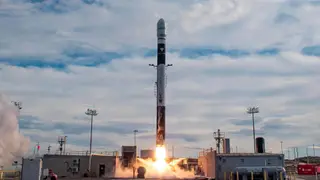
SpaceX's Crew-13 docked to the International Space Station in 7 hours and 55 minutes, breaking the previous U.S. record by over four hours. Additionally, Northrop Grumman successfully conducted the first autonomous flight of its Talon Blue drone wingman in the Mojave Desert, and German startup HyImpulse obtained its UK launch license but pushed its planned SR75 suborbital rocket flight from late 2026 to spring 2027.
SpaceX's latest achievement represents a significant optimization in spacecraft operations. By launching when the International Space Station occupied a favorable orbital position, the Crew Dragon capsule was able to begin its approach immediately after reaching orbit, eliminating the need for multiple phasing burns that typically consume hours. This timing-dependent accomplishment builds on Dragon's demonstrated reliability, with the vehicle now holding the five fastest docking records for U.S. spacecraft.
Meanwhile, autonomous aircraft development and commercial spaceflight infrastructure continue advancing on parallel tracks. Northrop Grumman's successful autonomous drone flight demonstrates progress in military aviation technology, while European spaceflight capabilities are expanding with new launch licensing and operational bases, though weather and regulatory requirements introduce scheduling uncertainties.
These developments could reshape several sectors. Faster ISS crew rotations may enhance scientific productivity and improve astronaut safety margins. Autonomous military systems might alter defense strategies, though their advancement raises questions about decision-making oversight. European launch infrastructure could reduce costs and increase competition in space access, benefiting commercial operators and national space agencies. However, expanded military autonomous capabilities and weapons sales approvals may have broader geopolitical implications worth monitoring as these technologies mature.