Google's Rumored Fitbit Edge Aims for Mid-Range Wearable Market With Extended Battery
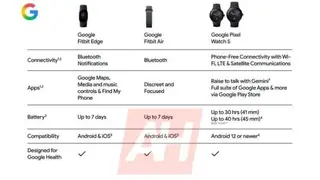
Leaked images suggest Google is developing the Fitbit Edge, a fitness tracker positioned between its full smartwatch and basic fitness band offerings. The device reportedly features built-in GPS, an altimeter, and approximately seven days of battery life—advantages that could appeal to fitness-focused users who want more capability than traditional bands without committing to a full smartwatch. The Edge appears designed to succeed Google's Fitbit Charge lineup, which has lacked major updates since 2023.
Google's current wearable offerings span multiple price and capability tiers. The Pixel Watch represents the premium full-featured smartwatch experience, while the Fitbit Air targets budget-conscious consumers seeking basic activity tracking. The Fitbit Charge series historically occupied the middle ground, though it has stalled without meaningful updates since 2023. The rumored Edge would directly address this gap by combining fitness-centric capabilities with a streamlined form factor—prioritizing extended battery performance and outdoor-specific sensors over the broad functionality typical of full smartwatches.
The inclusion of GPS and altimetry sensors would distinguish the Edge from entry-level bands while justifying a mid-range price point. These features cater specifically to serious fitness enthusiasts engaged in running, hiking, and cycling, who benefit from precise elevation and route data without needing comprehensive smart features or frequent charging cycles.
The introduction of a dedicated mid-range fitness tracker could influence how consumers evaluate wearable purchases by offering an alternative to choosing between basic bands and feature-rich smartwatches. This positioning may appeal to outdoor-focused users and athletes who prioritize health monitoring longevity over app ecosystems. Industry competition in the fitness wearable space could intensify if Google successfully captures users seeking this particular balance, potentially prompting competitors to refine their own mid-tier offerings. Product availability and pricing would ultimately determine whether such a device meaningfully reshapes the market segment.