Residents flee Russian-occupied Oleshky despite mined roads and military obstacles
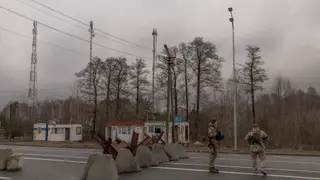
Twelve civilians successfully evacuated from the Russian-occupied front-line city of Oleshky in Kherson Oblast to Ukraine-controlled areas in September, according to local military administration officials. Residents face extreme shortages of food, water, and electricity, with escape attempts complicated by mined roads, drone attacks, and Russian military checkpoints. While over 60 people left Oleshky during the month, most remained in occupied territory due to lack of documentation, family obligations, or inability to navigate minefields.
Oleshky sits on the eastern bank of the Dnipro River in Kherson Oblast, positioning it as a strategic Russian military hub for launching cross-river operations. The Russian occupation has rendered the city's basic infrastructure non-functional, leaving residents without reliable access to electricity, clean water, or adequate food supplies. The humanitarian crisis is compounded by the town's militarization, with Russian forces deploying heavy weaponry throughout residential areas.
The evacuation challenge reflects broader logistical and human constraints. Over 60 residents attempted departure in September, yet only twelve successfully reached Ukrainian territory. Others either relocated to nearby occupied settlements seeking resources or remained trapped due to lack of official documentation, family members unable to travel independently, or the impossibility of safely navigating mined pathways with dependents. The local hospital operates in critical condition with minimal staff and no medical supplies.
The evacuation bottleneck in Oleshky illustrates how civilian displacement under occupation extends beyond military conflict to encompass infrastructure collapse and administrative breakdown. The incident reflects wider humanitarian challenges affecting thousands of people in Russian-occupied regions. Limited successful evacuations may heighten psychological strain on trapped populations, potentially affect morale in contested areas, and could influence international humanitarian policy discussions regarding occupied territories.