Indian authorities detain opposition figures protesting over electoral commission voter list changes
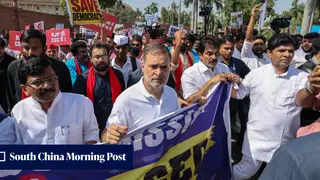
Police in New Delhi arrested multiple opposition lawmakers attempting to march toward the election chief's office to demand his resignation over controversial revisions to voter registration lists. The demonstration reflects mounting political pressure on Prime Minister Narendra Modi's administration during his third term, occurring months after comparable protests led to an education minister's resignation over examination paper breaches. Opposition parties and youth activists participated in the march against Chief Election Commissioner Gyanesh Kumar following media reports of disagreements within the electoral body.
The detention of opposition lawmakers represents an escalation in tensions surrounding India's electoral management during Modi's current term. The protests stem from reported internal disagreements at the election commission regarding modifications to voter registration procedures, according to media investigations. This incident follows a similar pattern of public pressure that recently resulted in an education minister stepping down following controversies over examination security breaches.
The "cockroach" youth movement's participation alongside political opposition parties indicates broader mobilization beyond traditional party structures. The march's focus on demanding the election chief's resignation signals deep concerns among opposition groups about the integrity of electoral processes and administrative accountability within the Modi administration.
The detention of protesters and lawmakers could affect public confidence in India's democratic institutions and electoral credibility. How authorities handle such demonstrations may influence citizens' willingness to participate in civic engagement and trust in governance processes. The broader pattern of recent resignations under pressure suggests evolving dynamics between executive branches and accountability mechanisms, potentially shaping institutional responsiveness during Modi's remaining tenure.