Kosovo Demonstrators Resume Protests Over War Crimes Court Convictions
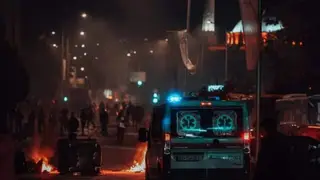
Protesters regrouped in Pristina after violent clashes erupted when demonstrators opposed parliamentary passage of legislation to limit sentencing powers at the Kosovo Specialist Chambers war crimes court. The unrest followed convictions of four former KLA leaders, including ex-President Hashim Thaci, who received sentences ranging from 13 to 25 years for wartime atrocities. While parliament voted on an amendment capping sentences at 15 years, activists demanded immediate second-reading approval and clashed with police, resulting in arrests and injuries.
The Kosovo Specialist Chambers operates as a hybrid international court physically based in The Hague, staffed by international judges and integrated within Kosovo's judicial system. It was established in 2015 following Western pressure and concerns that domestic proceedings could face witness intimidation or political interference. The court's jurisdiction covers alleged crimes spanning from early 1998 through 2000, originating from a Council of Europe investigation that documented serious allegations against KLA fighters during the conflict period.
The parliamentary amendments passed Monday address multiple dimensions of court operations beyond sentencing caps. Proposed changes would allow sentences to be served within Kosovo rather than abroad, enable presidential pardons, introduce international monitoring mechanisms, and permit constitutional review. A contested amendment would also narrow the court's temporal mandate to exclude crimes from the final period of the 1999 war, potentially affecting ongoing investigations and cases.
The legislative push to restrict the court's authority may significantly impact transitional justice efforts and international accountability mechanisms in the region. Convictions of high-profile political figures could strain Kosovo's relationships with Western allies who supported the court's creation, while supporters argue that sentence limitations and domestic enforcement reflect national sovereignty. The escalating street protests signal deep social divisions over how Kosovo addresses its wartime past, with consequences potentially extending to the country's EU integration prospects and regional stability efforts.