Congress Should Revive Defunct Technology Assessment Office for AI Era
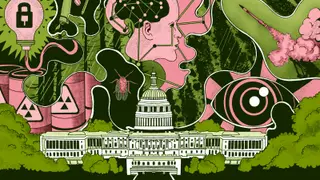
The article examines the former Office of Technology Assessment, a nonpartisan congressional agency that provided expert analysis on science and technology issues from its creation in 1972 until its closure, noting that lawmakers relied on its expertise during the 2001 anthrax attacks. The office produced authoritative reports on complex issues including weapons of mass destruction, genetics, and emerging technologies, helping Congress make informed policy decisions without partisan bias. The author argues that Congress should restore or recreate such an institution to help lawmakers navigate modern technological challenges like artificial intelligence.
The Office of Technology Assessment operated for roughly two decades before its elimination in the mid-1990s as part of broader federal budget reduction efforts. During its existence, the agency earned bipartisan support and demonstrated consistent utility in helping legislators understand complex scientific matters. Staff surveys and institutional assessments indicated the office maintained strong credibility across party lines while examining policy implications of technological developments.
The 2001 anthrax attacks illustrated how the loss of such expertise created a gap in congressional capacity. Lawmakers addressing the bioterrorism threat found themselves referring back to analysis the defunct OTA had produced years earlier, suggesting the agency's research retained relevance despite its closure. This retrospective reliance on previous work highlighted potential vulnerabilities in Congress's ability to respond to emerging threats without dedicated technological assessment infrastructure.
Restoring a technology assessment function could affect how Congress develops artificial intelligence policy and related legislation. Policymakers, industry stakeholders, and citizens interested in AI regulation might benefit from independent expert analysis informing legislative debates. However, recreating such an office would require congressional appropriations and political agreement on its scope and independence. The proposal raises questions about whether dedicated institutional expertise could meaningfully improve technology policy outcomes or face similar budget pressures and political constraints that led to the original office's closure.