South Korean Battery Materials Giant Inaugurates Major Lithium Facility in Argentine Andes
POSCO formally opened its second lithium carbonate production plant in Argentina's Salta and Catamarca provinces on October 6, designed to produce 23,000 tonnes annually for export markets. The facility, developed under Argentina's RIGI investment incentive program, received US$207.9 million in approved investment and represents a significant expansion of non-Chinese lithium supply for global battery manufacturers. Company officials discussed potential expansion plans to increase annual capacity to 100,000 tonnes.
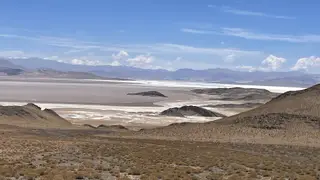
South Korea's POSCO, a major steelmaker and battery-materials producer, selected Argentina's high-altitude Andean salt flats for its expansion into lithium production. The country possesses substantial brine reserves across three provinces—Salta, Catamarca, and Jujuy—making it one of the world's leading lithium sources. POSCO's new facility represents the company's second operational lithium plant in Argentina, following an earlier hydroxide production unit.
The inauguration drew Argentina's highest-ranking officials, including the president's sister and the cabinet chief, reflecting the project's significance to the government's economic strategy. The investment qualified under Argentina's RIGI program, a recent initiative designed to attract large foreign capital projects through favorable tax and currency provisions. Company representatives discussed preliminary plans to potentially increase future production capacity to 100,000 tonnes annually, though specifics regarding timeline, funding, and buyers remain unconfirmed.
This facility could diversify global lithium supply chains by adding non-Chinese production capacity, potentially benefiting battery manufacturers and electric-vehicle producers seeking alternative sources. Argentine workers and local suppliers may gain employment and economic activity from the operation. However, large-scale lithium extraction in the Andes raises questions about water resource management in arid regions and environmental impacts that stakeholders continue to evaluate. The project's success may influence foreign investment decisions regarding Argentina's mining sector and RIGI program credibility.