Form Energy scales production of iron-based batteries enabling multi-day renewable energy storage
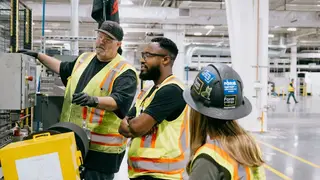
Form Energy manufactures long-duration iron-based batteries capable of storing energy for 100 hours using a reversible rusting process that is far cheaper than lithium-ion technology. The company has begun commercial production at its West Virginia facility and secured major deployment contracts including a 150-megawatt-hour system for Great River Energy launching in 2027 and a 30-gigawatt-hour project with Xcel Energy to support a Google data center. These batteries address the intermittency challenges of solar and wind power while supporting growing electricity demands from data centers.
Form Energy's iron-based battery technology addresses a fundamental challenge facing renewable energy adoption: the need to store power across extended periods when weather prevents solar and wind generation. Unlike conventional lithium-ion systems optimized for short-duration storage of four to six hours, Form's solution leverages an electrochemical process involving iron oxidation and reduction to enable 100-hour capacity at substantially lower material costs. The company's transition from development to commercial-scale manufacturing at its West Virginia facility marks a significant inflection point for the emerging long-duration storage sector.
The Minnesota deployments represent meaningful validation of the technology's commercial viability. Great River Energy's 150-megawatt-hour installation and Xcel Energy's 30-gigawatt-hour Google data center project demonstrate utility and corporate confidence in the approach. However, Form acknowledges it must achieve $20 per kilowatt-hour pricing to compete economically with fossil fuel generation, a target that remains unconfirmed for current production volumes.
Form Energy's success could reshape electricity grid economics by reducing reliance on natural gas peaking plants and enabling higher renewable penetration without increased fossil fuel consumption. For AI data centers specifically, affordable multiday storage may allow operators to align energy demands with renewable availability rather than triggering new fossil fuel infrastructure. However, the technology's impact depends on scaling production beyond current capacity and proving long-term reliability, while competing against alternative storage approaches still under development.