Bitcoin Reverses Gains as Bond Yields Surge on Inflation Data
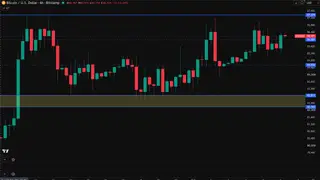
Bitcoin completed a round-trip movement, opening near $86,190 and returning to that level by Tuesday morning after climbing briefly to $86,700 and falling below $85,000 amid rising Treasury yields. A four-year high in services-sector price inflation pushed the 10-year yield back above 5.30%, a level that has repeatedly capped cryptocurrency rallies toward $87,000. Spot Bitcoin funds registered $89.9 million in net redemptions, with BlackRock as the sole institutional buyer while other major fund managers reduced positions.
Bitcoin's price movement this week reflects an inverse relationship between cryptocurrency valuations and traditional fixed-income instruments. The uptick in services-sector inflation metrics prompted Treasury yields to climb above the 5.30% threshold, a psychological level that has repeatedly interrupted rallies attempting to breach $87,000. This dynamic suggests that as bond yields become more attractive, investors may reallocate capital away from non-yielding assets like Bitcoin.
The institutional investment landscape shows selective positioning rather than broad retreat. BlackRock's continued accumulation contrasts sharply with reductions by other fund managers, indicating divergent outlooks among major financial institutions about near-term Bitcoin prospects. The $89.9 million net outflow represents modest activity relative to the $110.8 billion in total Bitcoin ETF assets under management, suggesting institutional confidence remains relatively stable despite short-term price volatility.
Rising Treasury yields could reshape cryptocurrency's appeal to institutional and retail investors by improving returns on traditional fixed-income investments. Market participants may face trade-offs between Bitcoin's growth potential and bonds' now-attractive yields, potentially moderating cryptocurrency demand. The regulatory withdrawal of proposed restrictions on unhosted wallets and cryptocurrency mixers may support broader Bitcoin adoption by reducing compliance uncertainty for financial institutions, though the near-term price impact remains unclear given competing macroeconomic pressures.