Dual-Layer Solar Technology Promises Significant Efficiency Gains for Renewable Energy
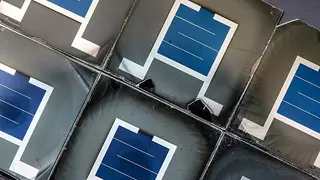
Researchers are developing advanced solar panels featuring a second light-absorbing layer that could increase electricity generation by approximately 25 percent. The innovation has the potential to substantially transform the global solar energy market. However, the technology's real-world viability depends on whether these new panels can maintain durability and performance over extended periods.
Solar panel efficiency has long been a limiting factor in renewable energy adoption. Researchers are now exploring multi-layer designs that allow panels to capture a broader spectrum of light. By adding a second light-absorbing component, these advanced panels aim to extract additional electrical output from the same surface area and sunlight exposure.
The development of such technology represents an ongoing effort to make solar energy more economically competitive with conventional power sources. Success would depend on manufacturing durability and long-term performance stability in varied environmental conditions, as panels must withstand decades of operation to justify their costs and environmental benefits.
A significant efficiency improvement in solar panels could affect multiple stakeholders across the energy sector. Manufacturers might gain competitive advantages and market share, while consumers could see reduced installation costs relative to energy output. Utilities and grid operators may need to adapt infrastructure to accommodate higher renewable energy contributions. However, widespread adoption would likely depend on balancing manufacturing costs against the promised efficiency gains and verifying performance durability claims through extended real-world testing.