Tanzania Bus Strike Leaves Travelers Stranded in Kilimanjaro Region
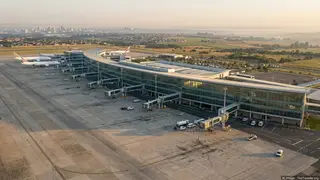
A strike by long-distance bus drivers in Tanzania's Kilimanjaro region has entered its second day, severely reducing services on routes connecting Moshi to major cities and disrupting transportation for both domestic travelers and international tourists. Only a handful of buses are operating at Moshi's main terminal, leaving passengers with hours-long waits and forcing many to seek alternative transport or return home. The work stoppage stems from drivers' objections to a penalty-point system tied to traffic fines that can result in license suspension.
Tanzania's transport network is experiencing significant strain as industrial action by professional drivers has spread across multiple regions. The strike centers on workplace regulations that many drivers view as threatening their employment stability, with accumulated penalties potentially resulting in months-long loss of work authorization. While government authorities have initiated a temporary review of the contested system, drivers remain unconvinced that proposed measures adequately address their core concerns about enforcement consistency and appeal procedures.
The disruption has cascading effects throughout northern Tanzania's tourism and travel infrastructure. Moshi, which ordinarily functions as a critical transit hub connecting visitors and residents to the coast and interior destinations, has seen its capacity reduced to minimal levels, creating bottlenecks that extend wait times and limit passenger options considerably.
The strike may impose economic costs on multiple constituencies: travelers face additional expenses and schedule disruptions, tourism operators could experience booking cancellations or logistical complications, and transport companies may lose revenue during the work stoppage. Rural and remote communities relying on intercity buses for essential services could face particular hardship. The dispute's resolution may influence how Tanzania's transportation sector balances enforcement priorities with driver livelihoods—a tension that could shape policy frameworks affecting similar industries regionally.