Surge Protectors Lose Effectiveness Over Time and Need Regular Replacement
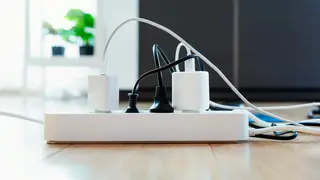
Surge protectors gradually lose their protective capabilities as internal components called metal-oxide varistors degrade with age and electrical stress, even when no visible damage is apparent. Users can check their surge protector's status by looking at indicator lights labeled "Protected" or consulting the device manual, as some models will continue powering devices even after protection has failed. External signs of failure include melting plastic, scorch marks, or smoke, which are clear indicators that replacement is necessary.
Surge protectors rely on internal components that gradually lose effectiveness through normal aging and electrical stress. Most household models use metal-oxide varistors to absorb excess voltage, but these components degrade regardless of whether surges actually occur. The challenge for consumers is that devices often continue supplying power even after protection mechanisms fail, creating a false sense of security.
Manufacturers typically recommend evaluation every three to five years, though actual lifespan varies significantly based on design quality and surge frequency. Users should check indicator lights on their devices and maintain purchase records to track age. High-power appliances like space heaters can accelerate degradation and should never be connected to surge protector strips.
This story may affect homeowners and office workers who rely on surge protectors to safeguard valuable electronics. Readers could face unexpected equipment damage if they unknowingly use failed protection devices, potentially resulting in costly repairs or replacements. Regular maintenance awareness might encourage consumers to evaluate their current setup, though adoption of replacement practices could depend on visibility of warning signs and access to product documentation about individual device models.