macOS Beta Code Reveals Additional Evidence of Forthcoming Touchscreen MacBook
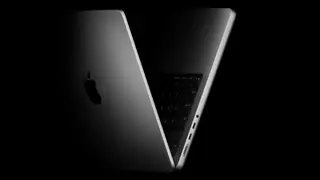
New touchscreen-related gestures discovered in macOS 27.2 beta 3 provide further indication that Apple is preparing to launch its first touch-enabled MacBook models in the coming weeks. The beta includes a long-press animation for Dock icons similar to iOS behavior, suggesting Apple is adapting its operating system for touch interaction ahead of the touchscreen Mac debut. The anticipated devices are expected to be high-end 14-inch and 16-inch models featuring M5 Pro and M5 Max chips, OLED displays, Dynamic Island, and possibly cellular connectivity.
Apple's operating system updates are increasingly incorporating interactive elements designed specifically for pointer-based input rather than traditional keyboard and trackpad navigation. The long-press functionality emerging in recent beta versions mirrors behaviors already established across iOS and iPadOS, suggesting a deliberate effort to create consistency across the company's device ecosystem. This cross-platform alignment would allow users familiar with touch interactions on phones and tablets to transition smoothly to laptops.
The rumored specifications for these forthcoming models indicate Apple intends to position them as premium offerings rather than mainstream replacements. By pairing touchscreen capability with advanced processors, high-end display technology including a notch-style Dynamic Island, and optional cellular features, the company appears focused on creating a distinct product tier for users willing to pay for cutting-edge functionality and form factors.
If released as specified, touch-enabled MacBooks could reshape professional computing workflows and consumer expectations around laptop design. Users working in creative fields, data analysis, and content creation might experience productivity gains or workflow changes, while the premium pricing could limit adoption to higher-income segments. The feature set may also influence how competing manufacturers approach their own laptop interfaces, potentially accelerating industry-wide adoption of hybrid touch-and-trackpad systems in ways that could alter ergonomic and accessibility considerations for diverse user populations.