States advance election legislation as absentee voting options take center stage for November contests
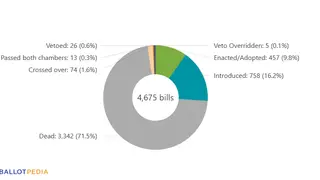
Legislatures in four states enacted or advanced 13 election-related bills last week, with lawmakers focusing heavily on campaign finance regulations and voting access policies ahead of the November general elections. California Governor Gavin Newsom signed legislation requiring paid signature gatherers to disclose their compensation status to petition signers. Ballot tracking data shows 4,675 election-related bills across the country remain under consideration, with significant activity in states featuring divided government.
State legislatures are actively reshaping voting procedures as the November elections approach. Currently, 4,675 election-related bills are in various stages of consideration nationwide, with particularly robust activity occurring in states where control of government is split between parties. Last week's legislative action focused predominantly on campaign finance transparency and voting access mechanisms, reflecting ongoing national debates about ballot integrity and voter participation.
California has emerged as a legislative leader on election policy this year, with 32 bills enacted during its 2026 session. The state's recent measures address diverse concerns including law enforcement conduct near polling locations, mail-in voting procedures, language access for non-English speakers, and ballot correction processes. Virginia has passed even more election legislation, enacting 49 bills during the same period.
These legislative developments could significantly affect how Americans vote in upcoming elections. Changes to absentee voting procedures, ballot access requirements, and campaign finance rules may alter voter participation rates and the accessibility of the electoral process for different demographic groups. Divisions between states on these policies might create inconsistencies in voting experiences, while concentrated legislative action in divided-government states suggests ongoing partisan disagreements about election administration and voter eligibility standards.