Italian Villa Honors Its Botanical Legacy While Embracing Modern Interior Reimagining
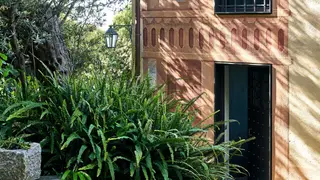
A 19th-century villa in Genoa belonging to architects Marijana Radovic and Marco Bonelli underwent extensive interior renovation while preserving its historically significant garden and 150-year-old bougainvillea that originally inspired the property's purchase. The designers respected the botanical heritage established when the villa's first owner worked as a gardener, maintaining the original structure that showcases diverse plant species including magnolias, agapanthus, and carob trees. The project balanced modern design sensibilities with emotional reverence for the home's past, particularly honoring the previous owner's deep connection to the property.
The villa's transformation represents a multigenerational undertaking rooted in personal history. Marco Bonelli's family acquired the property decades ago when it stood largely neglected, and the recent comprehensive redesign by the current owners honors both that initial vision and their father's deep attachment to the space. The restoration uncovered hidden 19th-century embellishments—decorative wall paintings and ornamental details—that had been obscured for years, revealing an unexpectedly theatrical aesthetic influenced by Austrian design traditions.
The renovation philosophy prioritized seamless integration between interior spaces and landscape. By engineering windows and doors that retract fully into walls and selecting materials like Luserna stone for continuity, the architects created visual pathways extending the garden environment into living areas. This design strategy acknowledges that the property's true character stems from its botanical composition rather than conventional architectural elements.
This project may influence conversations about heritage preservation and modernization in historic properties, particularly among affluent homeowners seeking to update older estates. The approach—maintaining external authenticity while radically reimagining interiors—could appeal to those balancing nostalgia with contemporary living standards. The story's emphasis on emotional reverence and botanical stewardship may also resonate with readers interested in sustainable design practices and multigenerational home narratives, potentially shaping expectations about how historical homes can evolve without losing their essential character.