Climate Crisis Disproportionately Impacts Girls' Opportunities and Agency
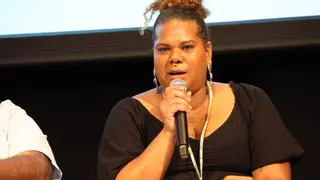
The article examines how climate-related losses and environmental damage create cascading challenges for girls and young women in affected communities. Beyond physical destruction, climate change restricts educational and economic opportunities for girls, limiting their autonomy and future prospects. The piece highlights the gendered dimensions of climate vulnerability and the need for targeted support for vulnerable youth.
Climate-driven environmental degradation creates interconnected hardships that disproportionately affect girls in vulnerable regions. When communities experience climate-related disasters and resource depletion, girls frequently face compounded disadvantages as families struggle to meet basic needs. Educational access often becomes a casualty during environmental crises, with girls withdrawn from school at higher rates than boys to manage household responsibilities or generate income.
Beyond immediate survival challenges, climate impacts constrain the long-term development prospects for young women. Limited schooling reduces pathways to economic independence and decision-making power within families and communities. The article underscores how environmental vulnerability intersects with existing gender inequalities, creating a cycle where climate pressures systematically narrow opportunities and personal agency for this demographic.
Recognition of climate change's gendered consequences could shift how policymakers design adaptation and resilience programs in affected regions. Understanding these disparities may inform efforts to strengthen girls' educational access and economic pathways in climate-vulnerable areas. Such targeted approaches might enhance overall community resilience while addressing systemic inequalities. The issue could influence international climate policy discussions and development priorities, particularly regarding youth empowerment in Asia-Pacific contexts facing acute environmental pressures.